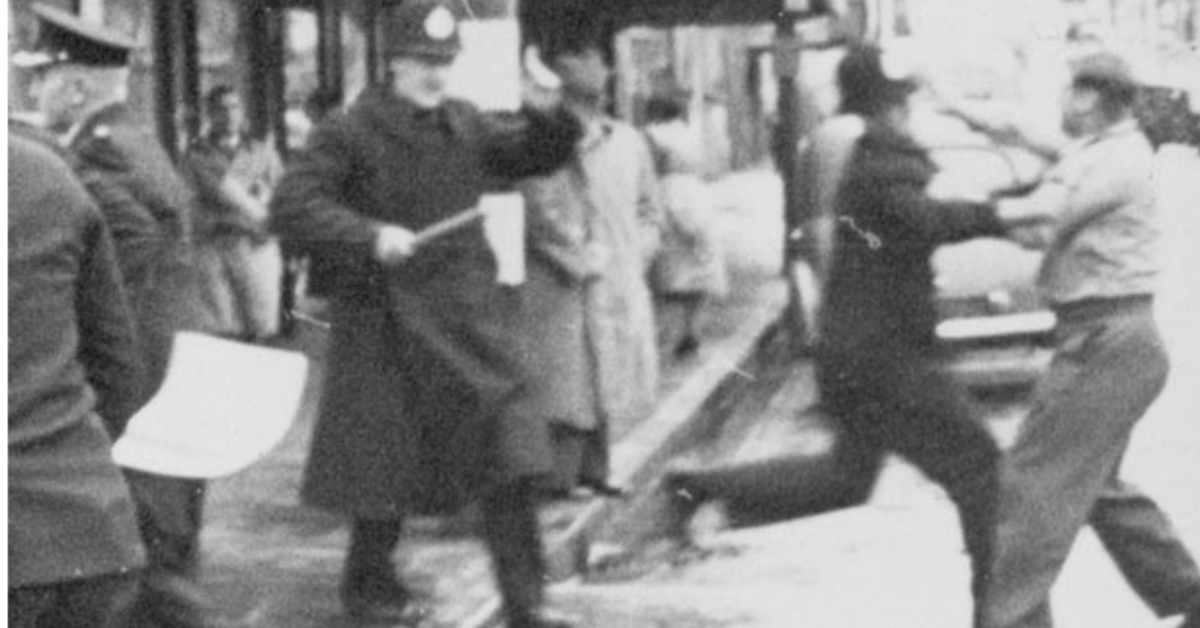
Have you noticed the internet is slowly becoming… vanilla? Not because people have stopped writing. But because more people are becoming afraid to use photographs.
You see there are companies – PicRights comes to mind – that’s using image-recognition technology to scan millions of web pages, looking for photographs that may have been used without a licence. When one of these systems finds what it believes is a match, it automatically generates a demand on behalf of copyright owners or agencies, asking for the image to be removed and seeking payment for its past use. Sometimes the fee is punitive.
Now, let’s be absolutely clear. If someone simply copies a professional photograph and republishes it without permission, there is every reason for copyright owners to protect their work. Photographers deserve to be paid. But I’m not talking about those people today.
AI ambulance chasers
The issue is what happens when enforcement becomes almost entirely automated… and starts catching people who genuinely believed they were entitled to use an image as part of commentary, criticism, or review.
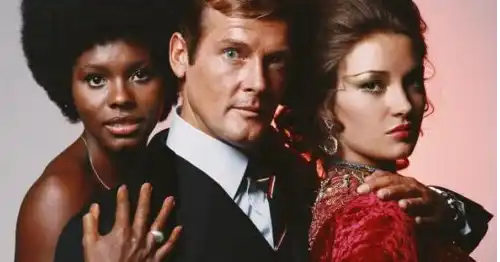
Take entertainment journalism. Every day, movie studios, TV networks, and record labels distribute publicity photographs to newspapers, magazines and websites. That’s been happening for decades. They want people talking about the latest film, TV series or album.
But here’s where things become less clear. Some of those same publicity images, or versions of them, also find their way into commercial image libraries – sent there by the same firms that hand them out to the media.

To many bloggers, it feels as though the studios want it both ways. They encourage publicity by distributing promotional images, while those same images can later become the subject of copyright claims through licensing agencies or enforcement companies.
So imagine you’re a blogger reviewing a movie. You find what looks like an official publicity still that’s already being used across countless websites. You assume it’s a promotional handout intended for media coverage… and it probably is.
Months later an email arrives claiming the image wasn’t licensed for your website. You’re asked to remove the image and pay some cash, perhaps hundreds or even thousands of dollars.
fair dealing or fair use
Now, maybe the claim is legally correct. Maybe it isn’t. That’s the problem. Many hobby bloggers simply don’t know. And an AI system isn’t capable of determining whether a legal defence such as fair dealing or fair use might ultimately apply.
There are legal exceptions in some countries for criticism, review, news reporting or fair dealing. In others, there’s the concept of fair use. But these are complicated legal tests. They’re highly fact-specific, differ between countries, and they often can’t be determined by an automated image match alone. Ultimately, if the parties disagree, only a court can decide whether the use was lawful.
And let’s face it, most bloggers don’t have lawyers. They’re writing because they love music, movies, television, or books. They’re not running multinational media companies. When a demand arrives many simply remove every image from their site, some stop writing altogether.
Spend a little time reading online discussions and you’ll find many bloggers describing how they’ve removed images – or even entire websites – because they simply couldn’t afford the risk, even where they believed their use might have been legally defensible. They don’t have the time nor the cash to defend a hobby that generates little to no income.
chilling effect
That doesn’t mean every copyright claim is wrong. But it does suggest the current system may be having a chilling effect on independent publishing.
If only large media companies can afford specialist legal advice, if only corporations can confidently navigate image licensing, if independent bloggers become too frightened to illustrate a review of a film, a concert or an album… Then something valuable disappears and everybody loses.
Part of the problem is that promotional images occupy an uncertain space.
They’re distributed to encourage publicity, yet some later become the subject of licensing claims. That ambiguity benefits nobody – not the publishers, not the bloggers, and arguably not even the artists themselves.
I don’t think they can, or should, have it both ways. Either an image is genuinely being supplied for editorial publicity, or it isn’t. The current situation leaves far too much uncertainty.
As it stands, we risk losing thousands of independent voices. We risk losing young writers trying to make their mark, unable to illustrate their work without worrying about receiving a lawyer’s letter. We lose diversity. We lose enthusiasm. And the internet starts looking increasingly bland and corporate. Everywhere you look it will be same-same.
Better system
Image rights holders, studios and licensing agencies need to sit down and work out a better system. One that protects rights holders. One that respects copyright. But one that doesn’t frighten ordinary people away from creating something worthwhile using photos sent out for the purpose of generating publicity.
AI has made copyright enforcement incredibly efficient. The challenge now is making sure it’s also fair. Because once the independent bloggers disappear, we as a society will lose voices, colour, and diversity across the internet.
And I wonder how long it will be before the musicians, actors, filmmakers and studios themselves begin asking why fewer people are reviewing, discussing, and sharing excitement about their latest releases, classic shows, and breakthrough albums. Because if bloggers stop illustrating their reviews, eventually, the people who lose won’t just be the bloggers. It may be the entertainment industry itself.